
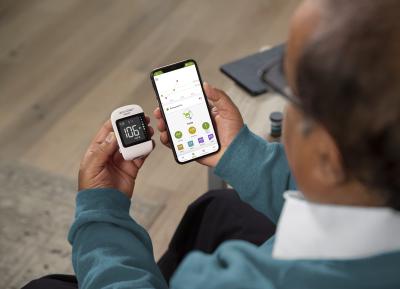
How Integrated Personalized Diabetes Management (iPDM) Solutions in ACCU-CHEK Blood Glucose Monitoring Systems is changing the game in Diabetes Care
At Accu-Chek, our mission has always been to revolutionize diabetes care and empower individuals with diabetes to lead healthier lives. In this blog, we will explore how integrated technology (iPDM) in Accu-Chek blood glucose monitoring systems is transforming diabetes care by providing real-time, personalized data that empowers individuals to take control of their health and manage diabetes more effectively. Embracing the Future of Diabetes Monitoring with Integrated Technology Accu-...
Read More
Diabetes Basics
Diabetes Basics Understanding the basics of diabetes is the first step in gaining control of your health. Let’s look at what causes diabetes, some of the common symptoms, the benefits of healthy living, and what to do if you’ve just been diagnosed. What is diabetes? Diabetes is a chronic disease. Your blood sugar levels are controlled by insulin, a hormone produced by your pancreas. When you eat, food gets broken down and glucose enters your bloodstream. Insulin takes the glucose out of your bloodstream and allows it to enter your cells where it is broken down and turned into energy. If you...
Read More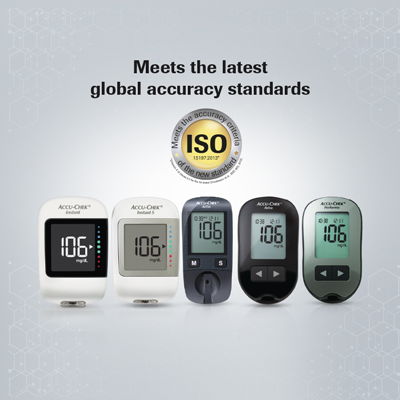
Matching all aspects of the ISO 15197:2013 performance requirements for blood glucose monitoring systems
Accu-Chek brand of blood glucose monitoring products are compliant with the revised standards of IS/ISO 15197:2013 announced by Central Drugs Standards Control Organisation (CDSCO), Directorate General of Health Services, Ministry of Health & Family Welfare. What is ISO? ISO is the International Organization for Standardization headquartered in Switzerland, whose membership is comprised of national standards bodies from approximately 162 countries. ISO is an independent non-governmental organization. What is an ISO standard? An ISO standard is...
Read More
Hyperglycemia
Hyperglycemia, or high blood glucose, occurs when blood glucose rises above your recommended range. Your healthcare professional will determine the proper healthy blood glucose range for you. High blood glucose can be caused by many things, including: Eating too much food Little or no physical activity Not taking medications Stress, infection or illness...
Read More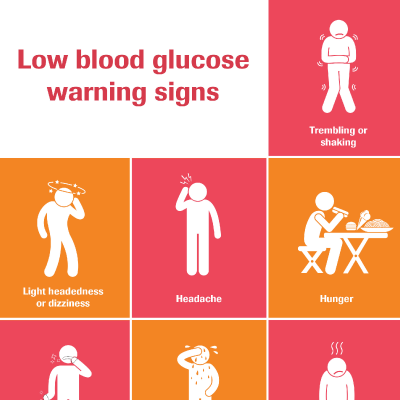

Hypoglycemia
Hypoglycemia occurs when your blood glucose drops too low. The body responds to low blood glucose with warning signs that may be different in each person. Some warning signs of low blood glucose are feeling: Weak Shaky Sweaty Irritable or confused Hungry Low blood glucose may occur if your meal or snack is delayed or...
Read More
Tips for Making Testing Easier
Whether you check your blood glucose level once a week, once a day, or 6 times a day, learning how to make testing easy and less painful may inspire you to test more often. For people with diabetes, the knowledge that you gain from testing is the key to staying in control of your health. It helps you make informed decisions about medicine, food, and exercise. It helps you cope with the day-to-day demands of living with diabetes, you’ll feel better each day, and you’ll lower your risk for future diabetes complications.1 Here are some tips for getting the best results possible. A guide...
Read More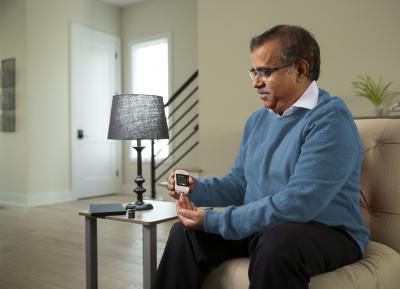
Discover 4 ways how ACCU-CHEK helps prevent diabetes complications
Living with diabetes presents numerous challenges, but staying proactive in managing blood glucose levels is key to preventing severe complications. Simply by keeping track of your blood sugar patterns through regular monitoring, Accu-Chek assists in mitigating long-term complications such as heart disease, neuropathy and more. Empowering Early Detection with Accu-Chek Accu Chek blood glucose meters provide accurate readings, ensuring reliable monitoring of blood sugar levels. This accuracy is...
Read More How Integrated Personalized Diabetes Management (iPDM) Solutions in ACCU-CHEK Blood Glucose Monitoring Systems is changing the game in Diabetes Care
At Accu-Chek, our mission has always been to revolutionize diabetes care and empower individuals with diabetes to lead healthier lives. In this blog, we will explore how integrated technology (iPDM) in Accu-Chek blood glucose monitoring systems is transforming diabetes care by providing real-time, personalized data that empowers individuals to take control of their health and manage diabetes more effectively. Embracing the Future of Diabetes Monitoring with Integrated Technology Accu-...
Read MorePages
Diabetes Basics
Diabetes Basics Understanding the basics of diabetes is the first step in gaining control of your health. Let’s look at what causes diabetes, some of the common symptoms, the benefits of healthy living, and what to do if you’ve just been diagnosed. What is diabetes? Diabetes is a chronic disease. Your blood sugar levels are controlled by insulin, a hormone produced by your pancreas. When you eat, food gets broken down and glucose enters your bloodstream. Insulin takes the glucose out of your bloodstream and allows it to enter your cells where it is broken down and turned into energy. If you...
Read More Matching all aspects of the ISO 15197:2013 performance requirements for blood glucose monitoring systems
Accu-Chek brand of blood glucose monitoring products are compliant with the revised standards of IS/ISO 15197:2013 announced by Central Drugs Standards Control Organisation (CDSCO), Directorate General of Health Services, Ministry of Health & Family Welfare. What is ISO? ISO is the International Organization for Standardization headquartered in Switzerland, whose membership is comprised of national standards bodies from approximately 162 countries. ISO is an independent non-governmental organization. What is an ISO standard? An ISO standard is...
Read More Hyperglycemia
Hyperglycemia, or high blood glucose, occurs when blood glucose rises above your recommended range. Your healthcare professional will determine the proper healthy blood glucose range for you. High blood glucose can be caused by many things, including: Eating too much food Little or no physical activity Not taking medications Stress, infection or illness...
Read More Hypoglycemia
Hypoglycemia occurs when your blood glucose drops too low. The body responds to low blood glucose with warning signs that may be different in each person. Some warning signs of low blood glucose are feeling: Weak Shaky Sweaty Irritable or confused Hungry Low blood glucose may occur if your meal or snack is delayed or...
Read More Tips for Making Testing Easier
Whether you check your blood glucose level once a week, once a day, or 6 times a day, learning how to make testing easy and less painful may inspire you to test more often. For people with diabetes, the knowledge that you gain from testing is the key to staying in control of your health. It helps you make informed decisions about medicine, food, and exercise. It helps you cope with the day-to-day demands of living with diabetes, you’ll feel better each day, and you’ll lower your risk for future diabetes complications.1 Here are some tips for getting the best results possible. A guide...
Read More Discover 4 ways how ACCU-CHEK helps prevent diabetes complications
Living with diabetes presents numerous challenges, but staying proactive in managing blood glucose levels is key to preventing severe complications. Simply by keeping track of your blood sugar patterns through regular monitoring, Accu-Chek assists in mitigating long-term complications such as heart disease, neuropathy and more. Empowering Early Detection with Accu-Chek Accu Chek blood glucose meters provide accurate readings, ensuring reliable monitoring of blood sugar levels. This accuracy is...
Read More How Integrated Personalized Diabetes Management (iPDM) Solutions in ACCU-CHEK Blood Glucose Monitoring Systems is changing the game in Diabetes Care
At Accu-Chek, our mission has always been to revolutionize diabetes care and empower individuals with diabetes to lead healthier lives. In this blog, we will explore how integrated technology (iPDM) in Accu-Chek blood glucose monitoring systems is transforming diabetes care by providing real-time, personalized data that empowers individuals to take control of their health and manage diabetes more effectively. Embracing the Future of Diabetes Monitoring with Integrated Technology Accu-...
Read More